

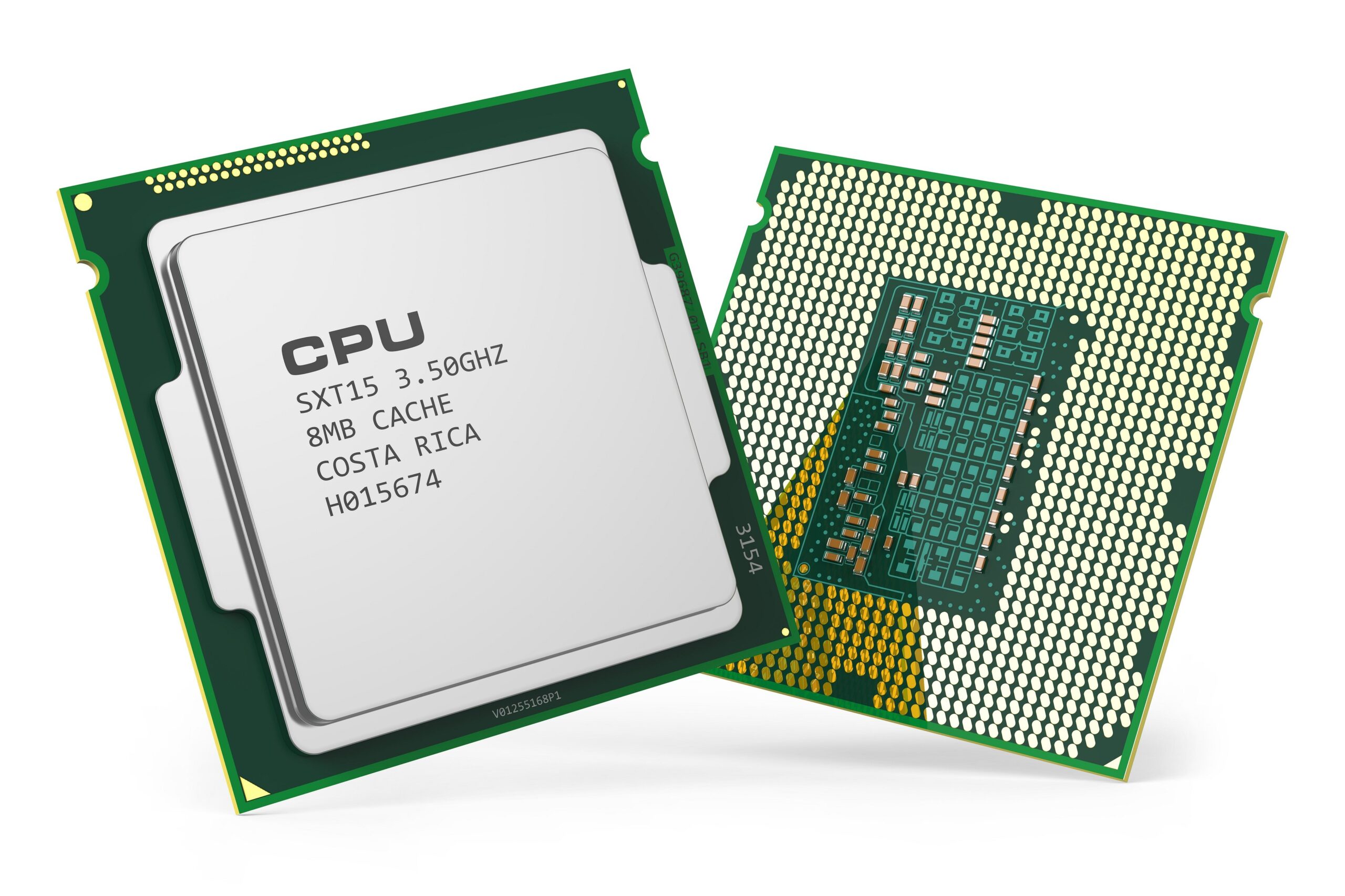
Processor: it is one of the most important components on any computer. The processor also performs most of the calculations, which must make its computer. Therefore, the processor performance depend directly on the general performance of the entire system.
But despite this fact, not all users know, which processor is used on their computer. In this article we will talk about how we can find out, which processor is used on your computer.
The properties of the system
To find out, which processor is used on your computer, you can use the instruments built in Windows. For example, it is possible to open the properties of the system. To do this, press the right mouse button on the «computer» icon on the desktop and select the «Properties» section. A window will be opened with information on your computer. In addition to other information, the processor model will be displayed.

If the «computer» icon is not displayed on the desktop, you can open the window with the control panel. To do this, it opens the «control panel» and access the «System and safety – system» section.
Device Management (Device Management)
Device Manager is a utility, available in any version of Windows. With the help of this utility we can get information on all components of the computer. The easiest method to open the device manager is the use of the research field. Open the menu starts or the screen starts (if you have Windows 
And enter the phrase «device manager» in the research field. In addition, the device manager can be opened with the «MMC Devmgmt.ms» command.

After the opening of the device operator extends the list of processors and you will see the name of the processor.
Directx diagnostic tool
The DirectX diagnostic tool is still a way to find out which processor is installed on your computer. To perform this utility opens the «execute» menu (the combination of Windows+R kest) and enter the «DXDIAG» command.

After entering the «DXDIAG» order, a computer will be opened with information on the computer. You will also find the name of the processor.
Bios
If the operating system is not installed on the computer or does not work, it is possible to discover the name of the bios processor. To do this, enter the bios and you will find information on the system.

In the Bios you will be able to find not only the name of the processor, but also the characteristics of the processor, the RAM and the hard drive.
Conclusion
The processor is undeniably one of the most crucial components in any computer, acting as the brain of the system. It performs the majority of calculations and operations, directly influencing the overall performance and responsiveness of the machine. A faster, more capable processor allows for smoother multitasking, quicker application execution, and better handling of demanding software, making it a central factor in evaluating a computer’s capabilities.
Despite its importance, many users are often unaware of which processor is installed in their system. Knowing the processor type, speed, and specifications is essential for making informed decisions regarding software compatibility, potential upgrades, or troubleshooting performance issues. Tools built into Windows, such as System Information, Task Manager, or third-party applications, provide simple ways to identify the processor and its features, making this knowledge accessible even to non-technical users.
Understanding your processor also helps in optimizing your system for specific tasks. For example, certain applications, games, or professional software may perform better on multi-core or high-frequency processors. Similarly, awareness of the processor’s capabilities can guide decisions about system upgrades, ensuring that hardware investments are appropriate and future-proof.
In conclusion, the processor is a key determinant of a computer’s performance, and knowing its specifications is vital for any user. By learning how to identify the processor in your system, you gain insight into your computer’s capabilities, optimize performance, and make informed decisions about upgrades or software use. Awareness of this central component empowers users to get the most out of their machines and ensures a smoother, more efficient computing experience.
latest posts published

5k player-love of another audio/video reader

Search Lookeen 10 desktop replaces Windows Search

How to improve battery life in Samsung Galaxy S6

The perfect game pc in the test – What should really be able to do
How many cups of the CPU really need it

What is the modern configuration guest?

Why do memory stick folders appear as shortcuts?

O & O & Partitionation Particione Profession in version 3

How to find the right calendar app
